Sound-Activated Mode
- App Scenarios:
- DJ Performances
- Key Features:
- Auto-syncs with BPM, no programming required

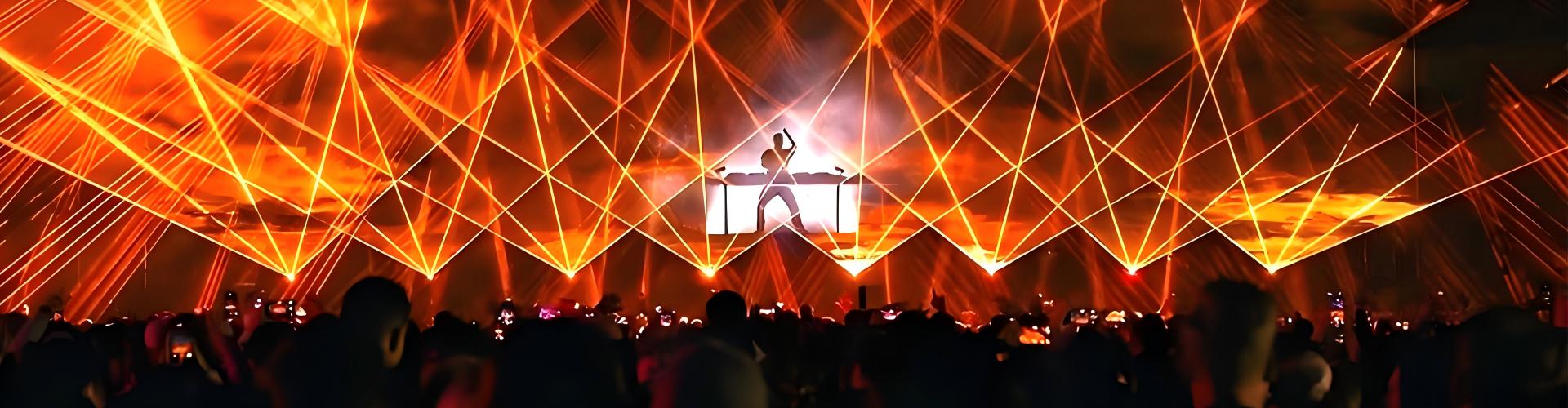
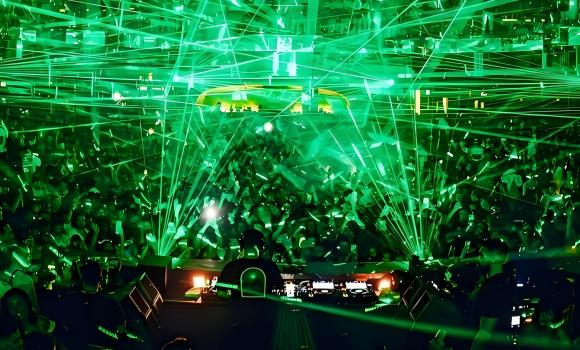
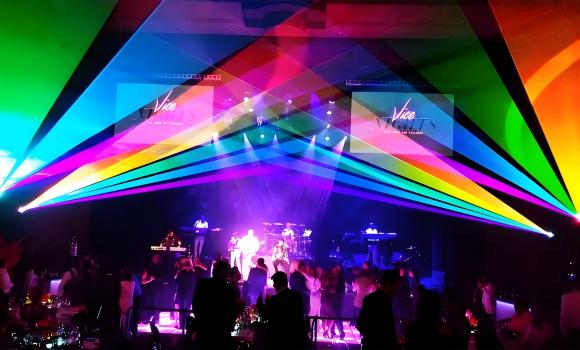
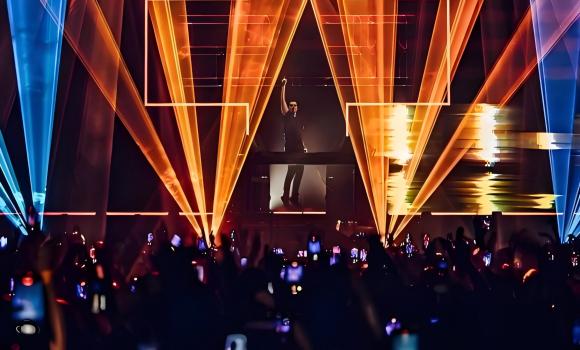
pulses along with the rhythm to amplify low-frequency impact
triangles, grids and particle streams, optimized for electronic music
natural brand exposure without obtrusiveness
links up with strobe lights to create a "time freeze" visual effect

Laser Eye Safety:
IEC60825/FDA compliant, audience beam avoidance & emergency stop

Emergency Interlock:
Auto shutoff on DMX loss, fire alarm linkage supported

Visual Health Protection:
Safe strobe frequency limit & overheat auto shutdown
Compact · Silent · Easy Control · Safe · Immersive
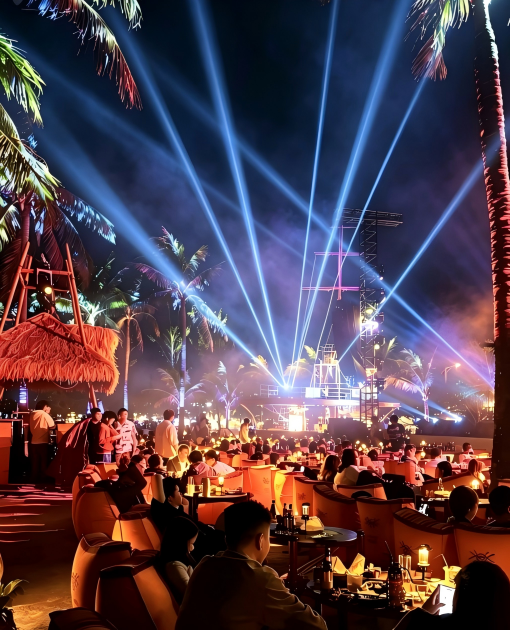
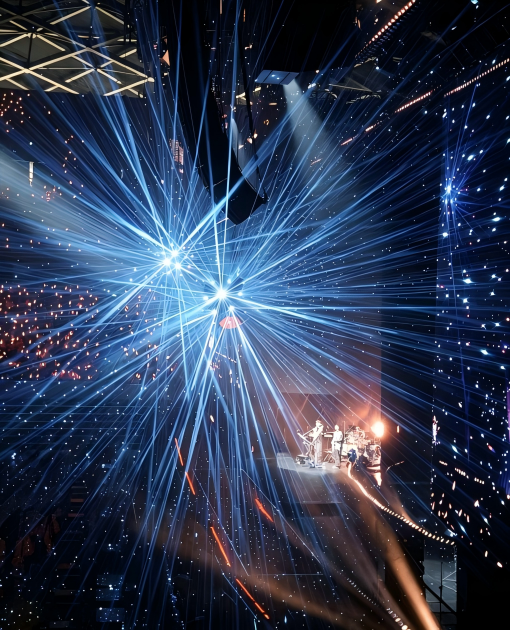
(Classified by Venue Area & Business Type)
Laser Light Installation Manual
User Manual
Direct answerMatch output to ceiling height, room size and ambient lighting. Medium-power RGB animation lasers are the usual choice for bars and clubs, and excess power should be avoided.
| Venue type | Typical requirement | Note |
|---|---|---|
| Small bar with low ceiling | Low power RGB | Beams travel a short distance only |
| Mid-size club dance floor | Low to medium power | Balance with ambient lighting and haze |
| Large club or live room | Medium power | Higher ceiling allows wider beam coverage |
| Multi-room venue | Distributed low-power units | Several fixtures beat one very large unit |
Match the fixture to the room rather than the highest available output, and the show stays both safer and easier to control.
Direct answerUse DMX512, sound-active auto mode and controller software together. This combination lets the DJ change effects in real time while the system keeps running unattended for the rest of the night.
| Mode | Strength | Typical use |
|---|---|---|
| DMX512 | Full cue control from the lighting desk | Programmed club shows |
| Sound-active | Reacts to music without an operator | Late-night DJ sets |
| Software control | Custom graphics and timeline playback | Special events and residencies |
| Auto scenes | Runs unattended all night | Weekday opening hours |
Running the system in auto mode by default, with live override available, gives clubs continuous entertainment with minimal staffing.
Direct answerChoose equipment that resists smoke, fog and indoor humidity, with efficient cooling for long-hour operation, and plan regular lens cleaning.
Sealed optics and filters keep haze fluid residue off critical surfaces.
Efficient cooling allows continuous operation through long opening hours.
Front or quick-access panels make routine cleaning practical for venue staff.
Haze fluid residue is the main cause of fading output in clubs, so cleaning frequency should follow the venue's fog usage rather than a generic calendar.
Direct answerThe two most common problems are regulatory and technical: missing local certification, and equipment that does not match the local power grid. Confirm both, plus spare-part support, before the order is placed.
| Pitfall | Consequence | Prevention |
|---|---|---|
| No check on local certification | Equipment held at customs or rejected on site | Confirm standards before ordering |
| Wrong voltage or plug standard | Installation delay and extra cost | Verify input voltage and supply plugs |
| No spare-part plan | Long downtime when a part fails | Agree spare parts and lead time at purchase |
| No local support route | Slow fault resolution | Confirm remote support and partner coverage |
| Underestimated venue environment | Faster wear from smoke and humidity | Choose dust- and smoke-resistant models |
Bar and club installations are harsh environments, so choose models that tolerate smoke, humidity and long operating hours.

+86 13414288613